
The Novel’s Final Historical Perspective
Quo VadisThis closing thematic flow contrasts the temporary spectacle of Nero’s power with the long duration of Christian memory and institutions.
increasing Bearing strength in each event
 decreasing
Bearing strength in each eventdecreasingNero’s World Appears Permanent
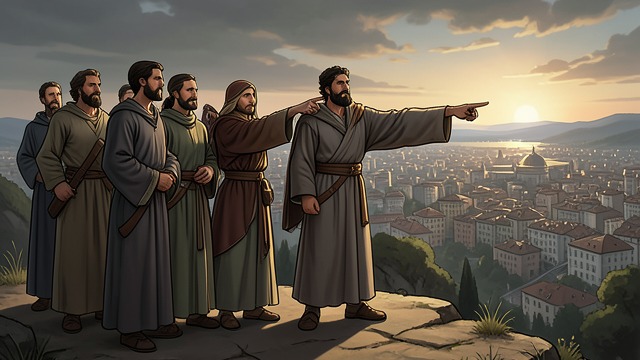
Nero’s World Appears Permanent
Imperial confidence
Romans assume their city and empire will endure because they have conquered much of the known world.
Power shapes imagination
Even opponents struggle to imagine an order beyond the emperor and his legions.
The Fire Shakes Certainty
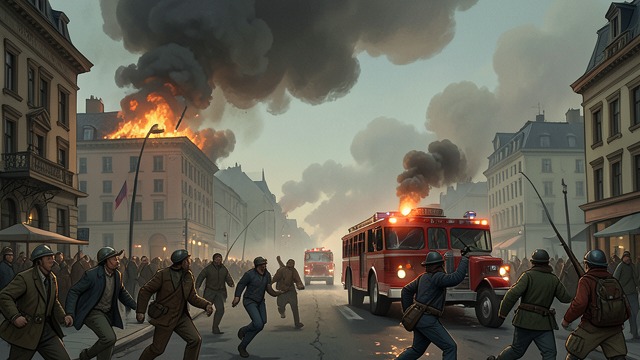
The Fire Shakes Certainty
The capital is vulnerable
A city thought eternal burns, and its inhabitants discover that monuments and institutions cannot guarantee safety.
A moral opening appears
The disaster makes the possibility of a different order imaginable.
The Martyrs Are Remembered
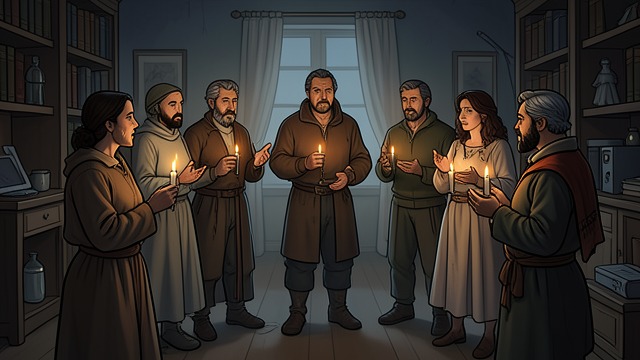
The Martyrs Are Remembered
Victims become witnesses
The deaths intended to erase Christians instead provide stories of faith, forgiveness, and courage.
Memory recruits new believers
The narrative depicts testimony as a force that can spread beyond the immediate survivors.
Nero’s Power Ends
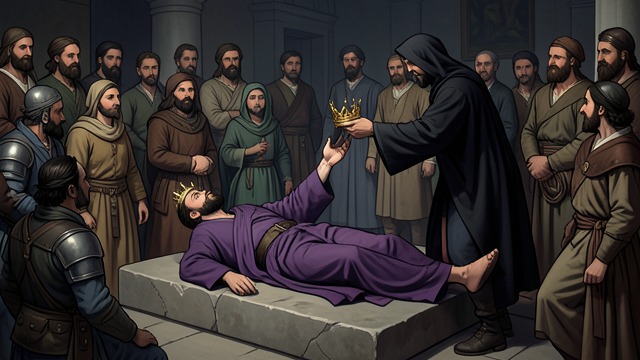
Nero’s Power Ends
The emperor becomes mortal
Political rebellion strips Nero of the protection and authority that once seemed unassailable.
A spectacle closes
His death ends the reign of the performer who had tried to make the world serve his art.
The Basilica and the World
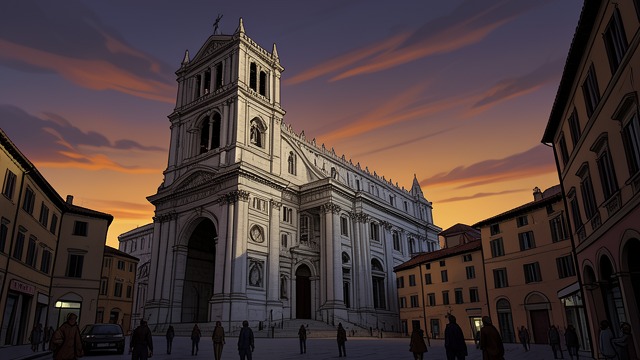
The Basilica and the World
A new center endures
The basilica associated with Peter stands above Rome after the emperor’s passing.
The novel’s historical claim
The final contrast presents Christian institution and memory as more enduring than Nero’s violence and imperial spectacle.
Before the Great Fire
During the destruction of Rome
After the arena and garden executions
After Vindex and Galba’s revolt
At the final image of the epilogue
